AppRecs review analysis
AppRecs rating 4.5. Trustworthiness 45 out of 100. Review manipulation risk 27 out of 100. Based on a review sample analyzed.
★★★★☆
4.5
AppRecs Rating
Ratings breakdown
5 star
100%
4 star
0%
3 star
0%
2 star
0%
1 star
0%
What to know
⚠
Unusually uniform ratings
100% of sampled ratings are 5 stars with very little variation
About Single Ventricle Circulation
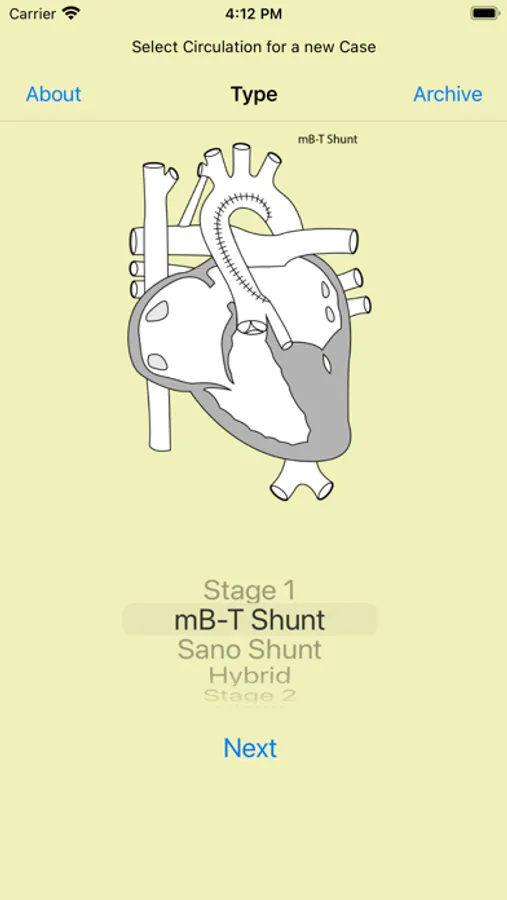
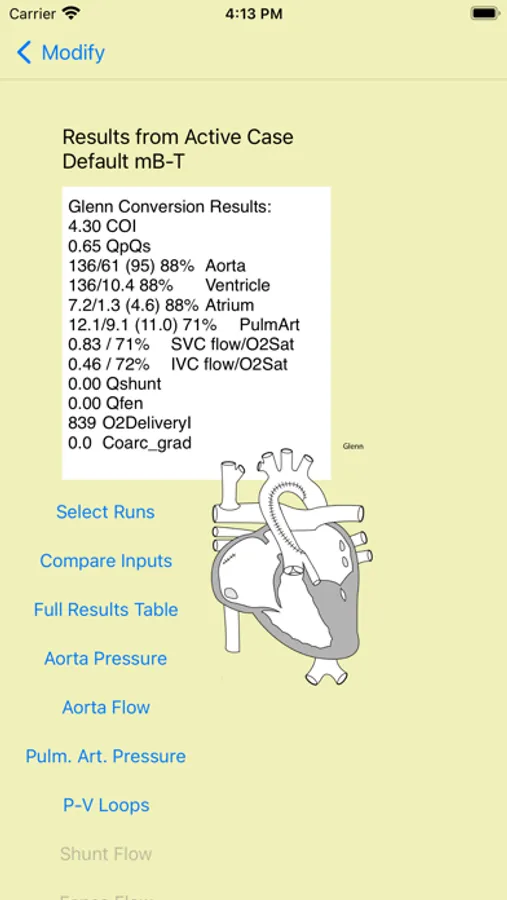
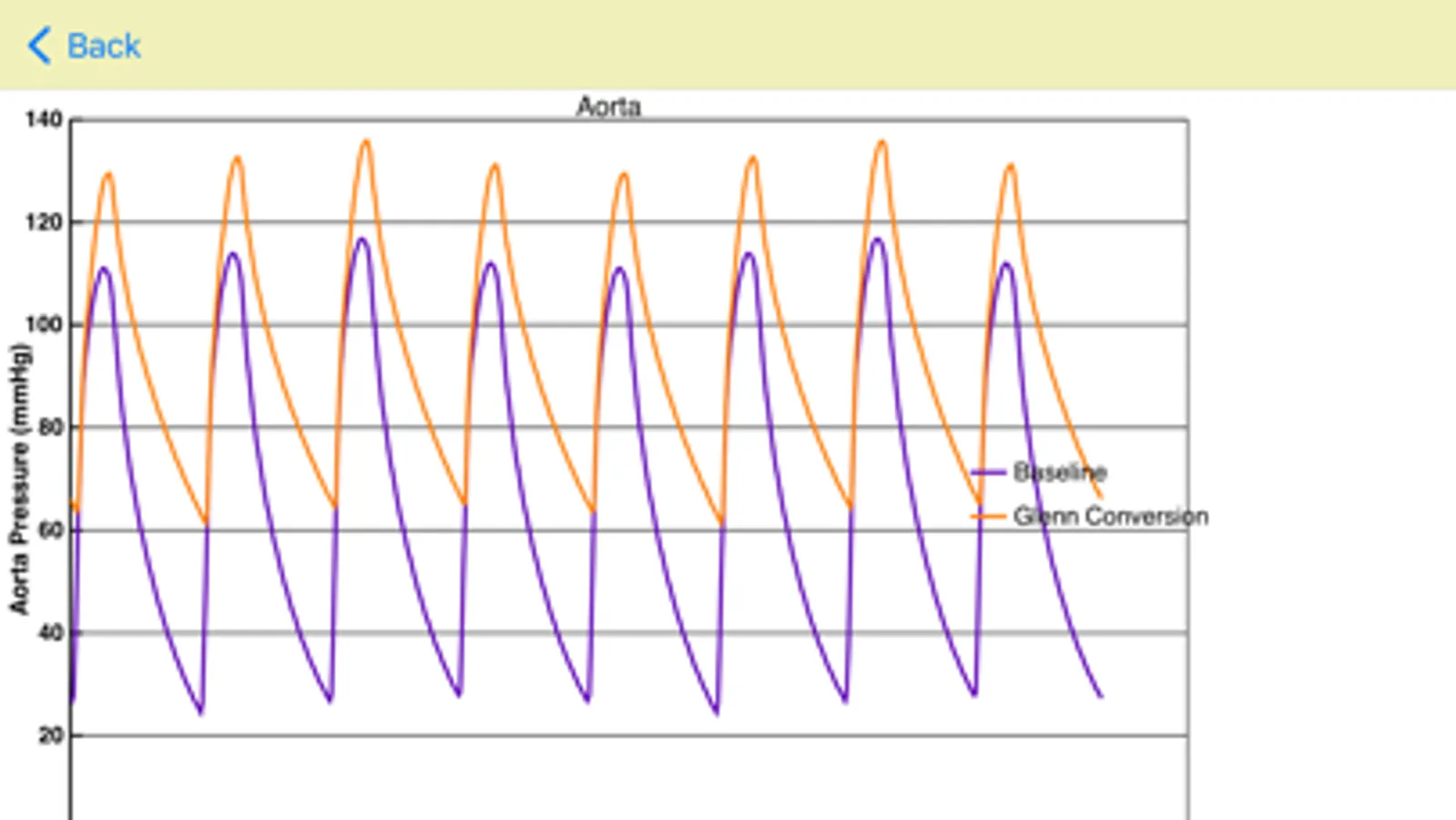
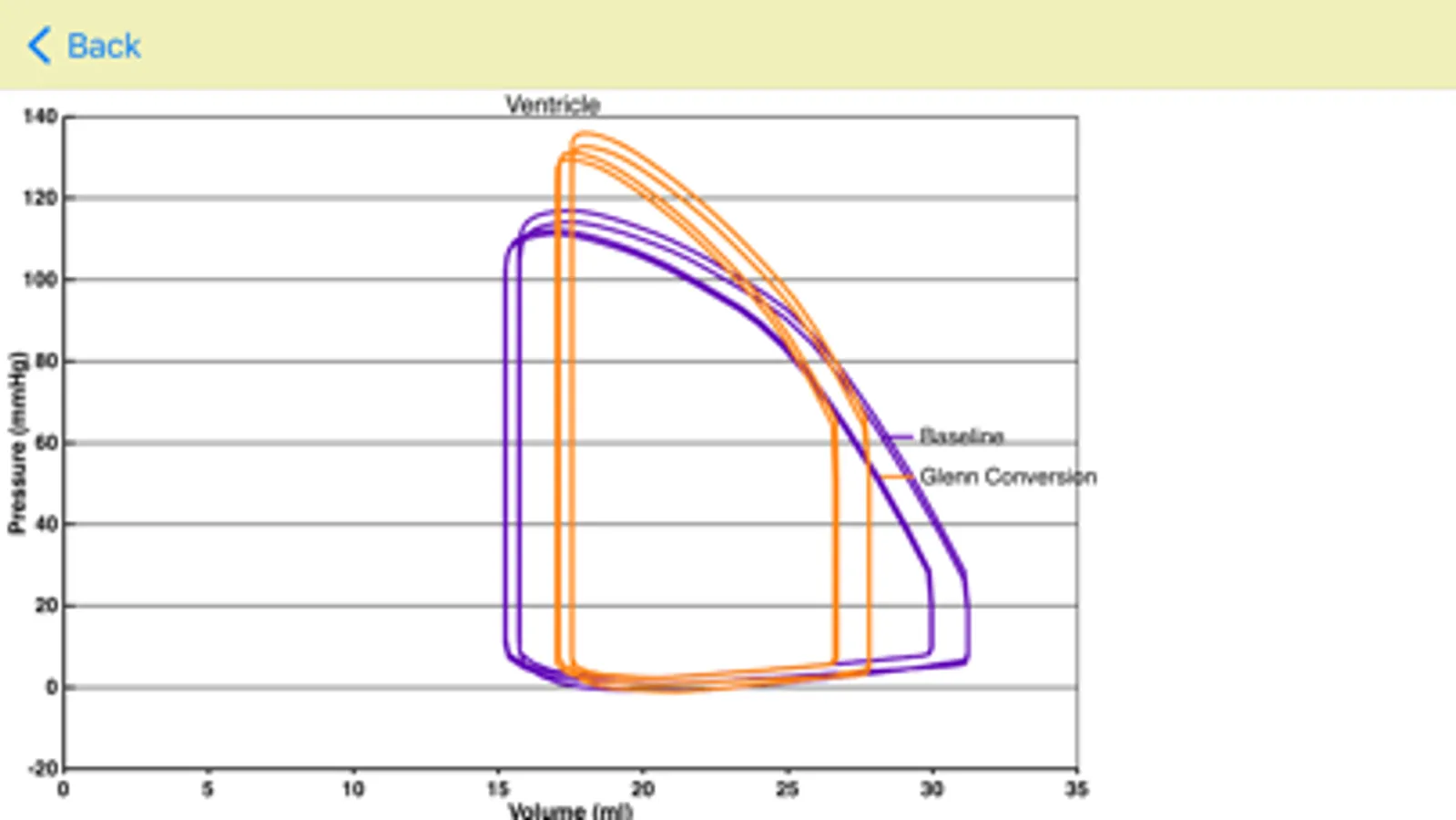
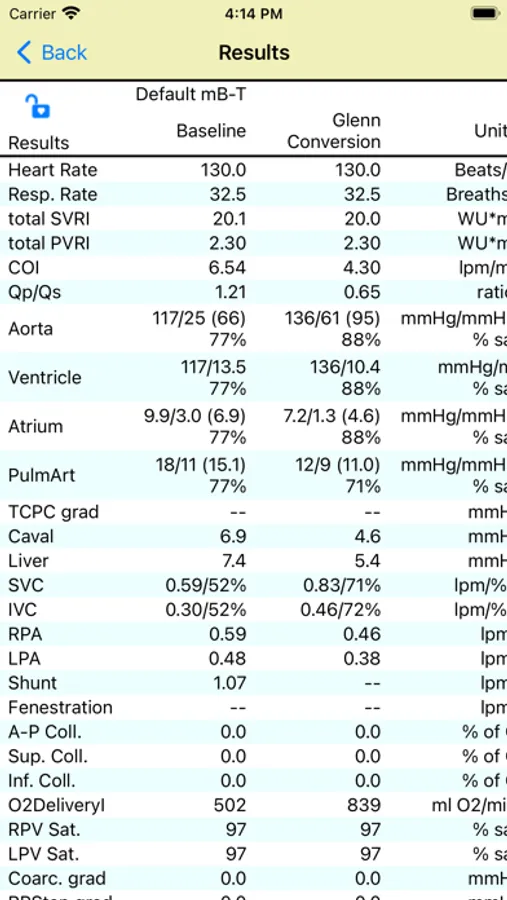
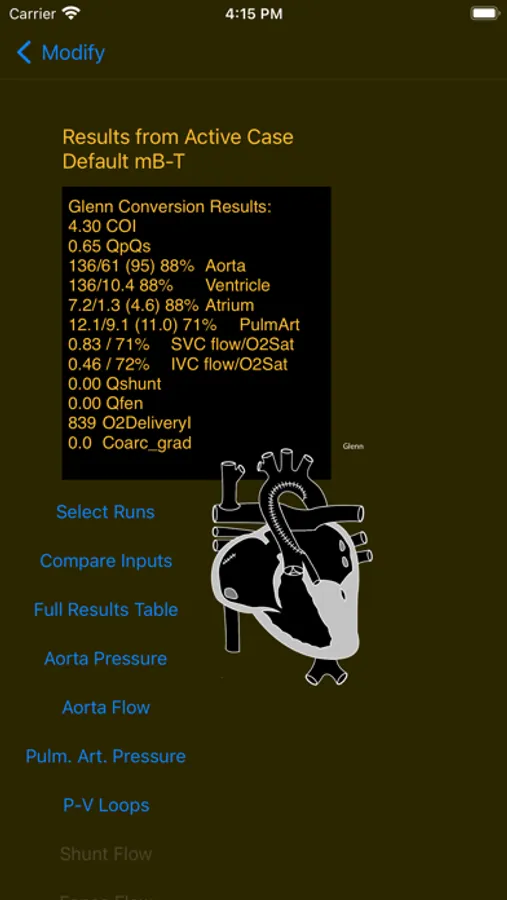
This app presents a model of circulation throughout the three stages of surgical palliation for patients with single ventricle physiology, known as the Fontan sequence. An educational tool designed for medical students and anyone interested in congenital heart defects, the app allows the user to experiment with several different common surgical procedures and medical treatments, to observe the effects on clinical measures like blood pressures and oxygen delivery both at rest and during exercise, and to predict immediate post-surgical outcomes. The app displays both tabular results, and time-based blood pressure and flow waveforms and ventricular pressure-volume loops.
This app accompanies our JTCVS paper(1), which describes the circulation models used, abbreviations and settings. The paper includes details of the model mechanics, and a partial validation of model outputs vs. clinical measurements from 47 patients. This is the hand-held device app mentioned in that paper. The app provides default values for the circulation, which the user can can be customize to investigate clinical situations or patient-specific predictions. Details on the basis of the circulation model are cited in the JTCVS paper (1).
(1) Conover, T., Hlavacek, A.M., Migliavacca, F. et al. An interactive simulation tool for patient-specific clinical decision support in single ventricle physiology. J Thorac Cardiovasc Surg. 2018; 155: 712–721
This app accompanies our JTCVS paper(1), which describes the circulation models used, abbreviations and settings. The paper includes details of the model mechanics, and a partial validation of model outputs vs. clinical measurements from 47 patients. This is the hand-held device app mentioned in that paper. The app provides default values for the circulation, which the user can can be customize to investigate clinical situations or patient-specific predictions. Details on the basis of the circulation model are cited in the JTCVS paper (1).
(1) Conover, T., Hlavacek, A.M., Migliavacca, F. et al. An interactive simulation tool for patient-specific clinical decision support in single ventricle physiology. J Thorac Cardiovasc Surg. 2018; 155: 712–721