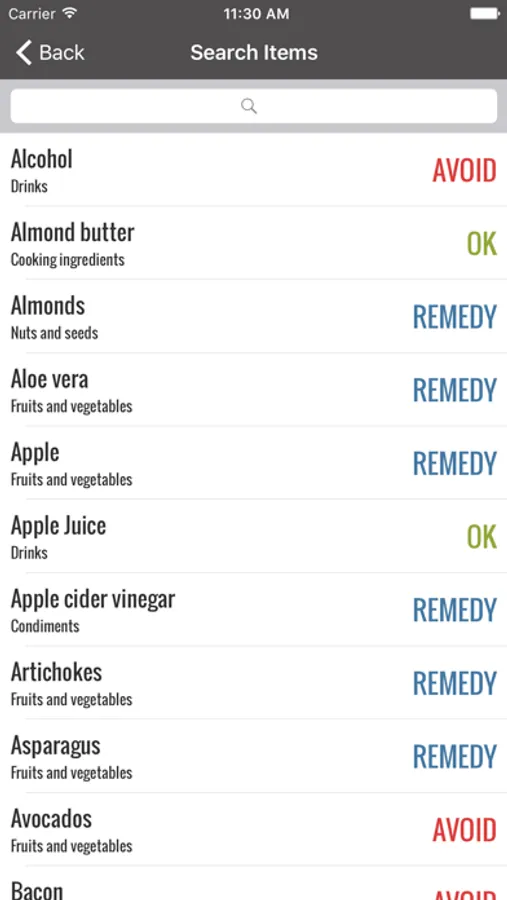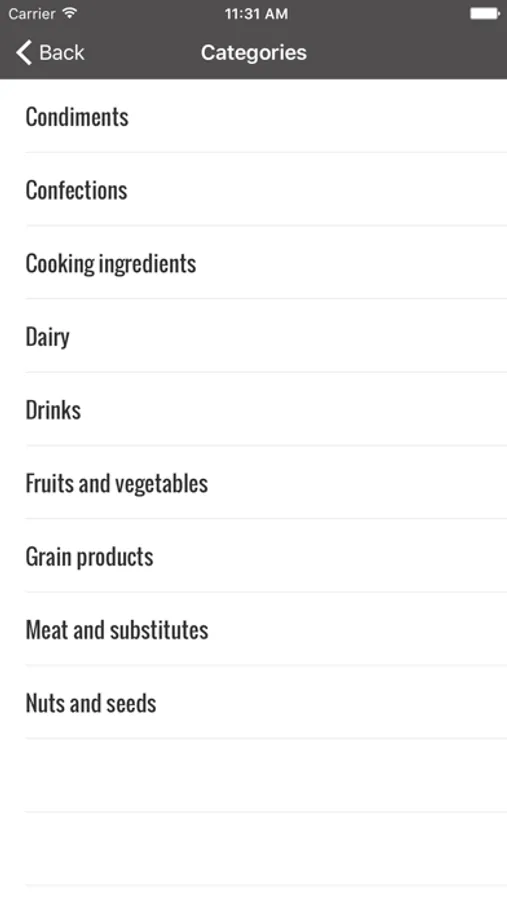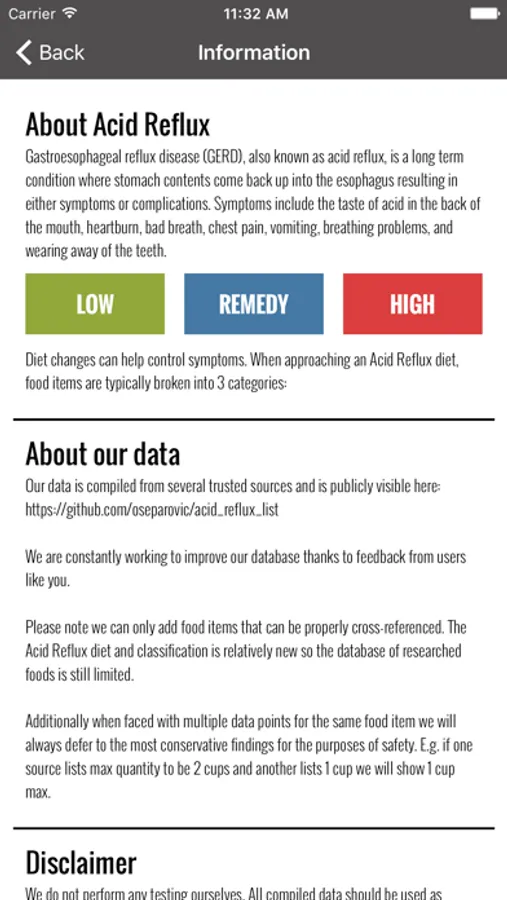
In this diet helper app, you can identify foods suitable for managing acid reflux and GERD symptoms by searching and categorizing items. Includes a comprehensive foods list, symptom information, and dietary tips.
AppRecs review analysis
AppRecs rating 4.7. Trustworthiness 74 out of 100. Review manipulation risk 22 out of 100. Based on a review sample analyzed.
★★★★☆
4.7
AppRecs Rating
Ratings breakdown
5 star
82%
4 star
11%
3 star
3%
2 star
1%
1 star
3%
What to know
✓
Low review manipulation risk
22% review manipulation risk
✓
Credible reviews
74% trustworthiness score from analyzed reviews
✓
High user satisfaction
82% of sampled ratings are 5 stars
About Acid Reflux Diet Helper
Acid reflux diet and food choice helper tool to make identification of good and bad foods for Acid Reflux / GERD / heartburn symptoms easier.
The foods listed can be helpful to reduce Acid Reflux / GERD symptoms (bad breath, chest pain, vomiting, breathing problems, dysphagia, gas etc) for people with Acid Reflux / GERD / heartburn.
Features include:
- Comprehensive list of foods and whether they are Good, Bad, Or Neutral for Acid Reflux and heartburn.
- Search by food and beverage.
- Lookup by food category.
- General Acid Reflux, Acid Reflux Diet and heartburn info, such as common symptoms ( heartburn, chest pain, bad breath, breathing problems, dysphagia, vomiting etc.) and causes.
Gastroesophageal reflux disease (GERD), also known as acid reflux, or chronic heartburn, is a long term condition where stomach contents come back up into the esophagus resulting in either symptoms or complications.
Come common symptoms include the taste of acid in the back of the mouth, heartburn, bad breath, chest pain, vomiting, breathing problems, dysphagia, gas, and wearing away of the teeth. Complications include esophagitis, esophageal strictures, and Barrett's esophagus.
Risk factors include obesity, pregnancy, smoking, hiatus hernia, and taking certain medicines. Medications involved include antihistamines, calcium channel blockers, antidepressants, and sleeping medication. It is due to poor closure of the lower esophageal sphincter (the junction between the stomach and the esophagus). Diagnosis among those who do not improve with simpler measures may involve gastroscopy, upper GI series, esophageal pH monitoring, or esophageal manometry.
Treatment is typically via lifestyle changes, medications, and sometimes surgery. Lifestyle changes include not lying down for three hours after eating, losing weight, avoiding certain foods, and stopping smoking. Medications include antacid, H2 receptor blockers, proton pump inhibitors, and prokinetics.
remedies: chewing gum, licorice, aloe, slippery elm, apple cider vinegar
causes: alcohol, chocolate, fried foods (e.g. french fries), mint, onions, garlic, tomatoes
DISCLAIMER:
We do not perform any testing ourselves. All compiled data should be used as guidelines not as basis of fact. Consult your physician before beginning any new diet. This general information is not intended to diagnose any medical condition or to replace the advice of your healthcare professional.
The foods listed can be helpful to reduce Acid Reflux / GERD symptoms (bad breath, chest pain, vomiting, breathing problems, dysphagia, gas etc) for people with Acid Reflux / GERD / heartburn.
Features include:
- Comprehensive list of foods and whether they are Good, Bad, Or Neutral for Acid Reflux and heartburn.
- Search by food and beverage.
- Lookup by food category.
- General Acid Reflux, Acid Reflux Diet and heartburn info, such as common symptoms ( heartburn, chest pain, bad breath, breathing problems, dysphagia, vomiting etc.) and causes.
Gastroesophageal reflux disease (GERD), also known as acid reflux, or chronic heartburn, is a long term condition where stomach contents come back up into the esophagus resulting in either symptoms or complications.
Come common symptoms include the taste of acid in the back of the mouth, heartburn, bad breath, chest pain, vomiting, breathing problems, dysphagia, gas, and wearing away of the teeth. Complications include esophagitis, esophageal strictures, and Barrett's esophagus.
Risk factors include obesity, pregnancy, smoking, hiatus hernia, and taking certain medicines. Medications involved include antihistamines, calcium channel blockers, antidepressants, and sleeping medication. It is due to poor closure of the lower esophageal sphincter (the junction between the stomach and the esophagus). Diagnosis among those who do not improve with simpler measures may involve gastroscopy, upper GI series, esophageal pH monitoring, or esophageal manometry.
Treatment is typically via lifestyle changes, medications, and sometimes surgery. Lifestyle changes include not lying down for three hours after eating, losing weight, avoiding certain foods, and stopping smoking. Medications include antacid, H2 receptor blockers, proton pump inhibitors, and prokinetics.
remedies: chewing gum, licorice, aloe, slippery elm, apple cider vinegar
causes: alcohol, chocolate, fried foods (e.g. french fries), mint, onions, garlic, tomatoes
DISCLAIMER:
We do not perform any testing ourselves. All compiled data should be used as guidelines not as basis of fact. Consult your physician before beginning any new diet. This general information is not intended to diagnose any medical condition or to replace the advice of your healthcare professional.