About Sundarkand in hindi
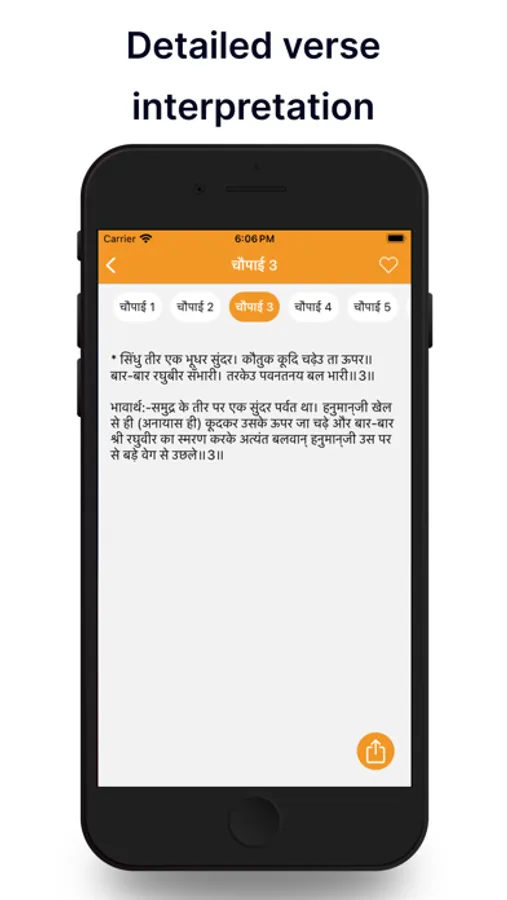
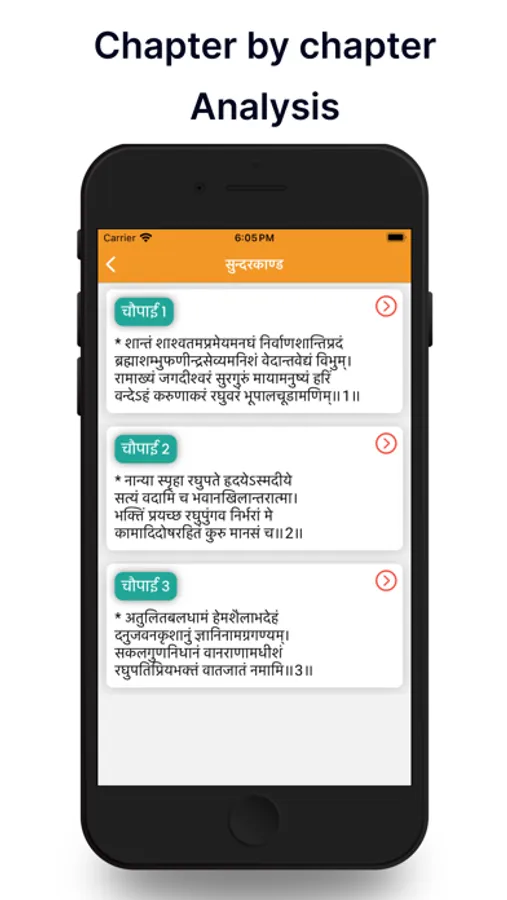
The Sundara Kanda, also known as "Sundara Kāṇḍa," is the fifth book in the Hindu epic, the Ramayana. The term "Sundara Kanda" translates to "beautiful episode" or "beautiful book." It is a pivotal section of the Ramayana that focuses on the adventures of Hanuman, the monkey deity. Here are the key points from the provided description:
1. Authorship and Significance: Sundara Kanda was composed in Sanskrit by the sage Valmiki, who is credited with being the first to scripturally record the Ramayana. It holds a special place in the Ramayana as it is the only chapter where the central hero is Hanuman, not Rama.
2. Hanuman's Attributes: The text emphasizes Hanuman's selflessness, strength, and unwavering devotion to Rama, showcasing his character and qualities.
3. Hanuman's Journey to Lanka: The core narrative of Sundara Kanda revolves around Hanuman's journey to the island of Lanka. He undertakes a colossal leap across the ocean after learning about Sita's abduction. Along the way, he encounters and defeats various obstacles, including Surasa and Sinhika.
4. Discovery of Sita: Hanuman successfully infiltrates Lanka, spies on Ravana, and ultimately locates Sita in the Ashoka grove. He reassures her by presenting Rama's signet ring as a symbol of his mission.
5. Hanuman's Actions in Lanka: Hanuman causes havoc in Lanka by destroying structures, trees, and even defeating Ravana's warriors. He is eventually captured but manages to escape and set fire to Ravana's citadel.
6. Reception in Hindu Tradition: The Sundara Kanda is traditionally read (pārāyaṇa) as part of the Ramayana, often on Tuesdays or Saturdays, which are considered auspicious for prayers to Hanuman. It is believed to mitigate the malefic effects of Lord Shani and bring harmony to households.
7. Seven Dohas of Sundara Kanda: There are seven dohas (couplets) in the Sundara Kanda of Ramcharitmanas that contain the word "sundar." It is said that reciting these dohas is equivalent to reciting the entire Sundara Kanda.
8. Variations in Other Languages: Sundara Kanda exists in various languages and versions. For example, Tulsidas wrote a version in Awadhi called the Ramacharitamanas, and an earlier Tamil version by Kambar called Ramavataram is popular among certain communities in South India.
Overall, Sundara Kanda is a significant section of the Ramayana that highlights the heroic exploits of Hanuman and his unwavering dedication to Lord Rama.
1. Authorship and Significance: Sundara Kanda was composed in Sanskrit by the sage Valmiki, who is credited with being the first to scripturally record the Ramayana. It holds a special place in the Ramayana as it is the only chapter where the central hero is Hanuman, not Rama.
2. Hanuman's Attributes: The text emphasizes Hanuman's selflessness, strength, and unwavering devotion to Rama, showcasing his character and qualities.
3. Hanuman's Journey to Lanka: The core narrative of Sundara Kanda revolves around Hanuman's journey to the island of Lanka. He undertakes a colossal leap across the ocean after learning about Sita's abduction. Along the way, he encounters and defeats various obstacles, including Surasa and Sinhika.
4. Discovery of Sita: Hanuman successfully infiltrates Lanka, spies on Ravana, and ultimately locates Sita in the Ashoka grove. He reassures her by presenting Rama's signet ring as a symbol of his mission.
5. Hanuman's Actions in Lanka: Hanuman causes havoc in Lanka by destroying structures, trees, and even defeating Ravana's warriors. He is eventually captured but manages to escape and set fire to Ravana's citadel.
6. Reception in Hindu Tradition: The Sundara Kanda is traditionally read (pārāyaṇa) as part of the Ramayana, often on Tuesdays or Saturdays, which are considered auspicious for prayers to Hanuman. It is believed to mitigate the malefic effects of Lord Shani and bring harmony to households.
7. Seven Dohas of Sundara Kanda: There are seven dohas (couplets) in the Sundara Kanda of Ramcharitmanas that contain the word "sundar." It is said that reciting these dohas is equivalent to reciting the entire Sundara Kanda.
8. Variations in Other Languages: Sundara Kanda exists in various languages and versions. For example, Tulsidas wrote a version in Awadhi called the Ramacharitamanas, and an earlier Tamil version by Kambar called Ramavataram is popular among certain communities in South India.
Overall, Sundara Kanda is a significant section of the Ramayana that highlights the heroic exploits of Hanuman and his unwavering dedication to Lord Rama.