AppRecs review analysis
AppRecs rating 4.7. Trustworthiness 75 out of 100. Review manipulation risk 23 out of 100. Based on a review sample analyzed.
★★★★☆
4.7
AppRecs Rating
Ratings breakdown
5 star
88%
4 star
13%
3 star
0%
2 star
0%
1 star
0%
What to know
✓
Low review manipulation risk
23% review manipulation risk
✓
Credible reviews
75% trustworthiness score from analyzed reviews
✓
High user satisfaction
88% of sampled ratings are 5 stars
About Chaos Lab
Chaos Lab puts the beauty of chaos in your hands.
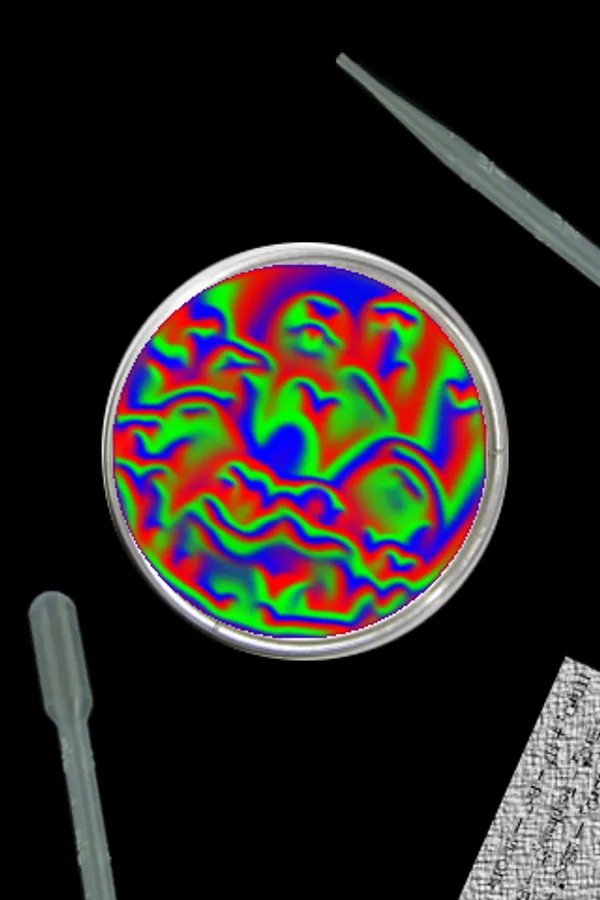
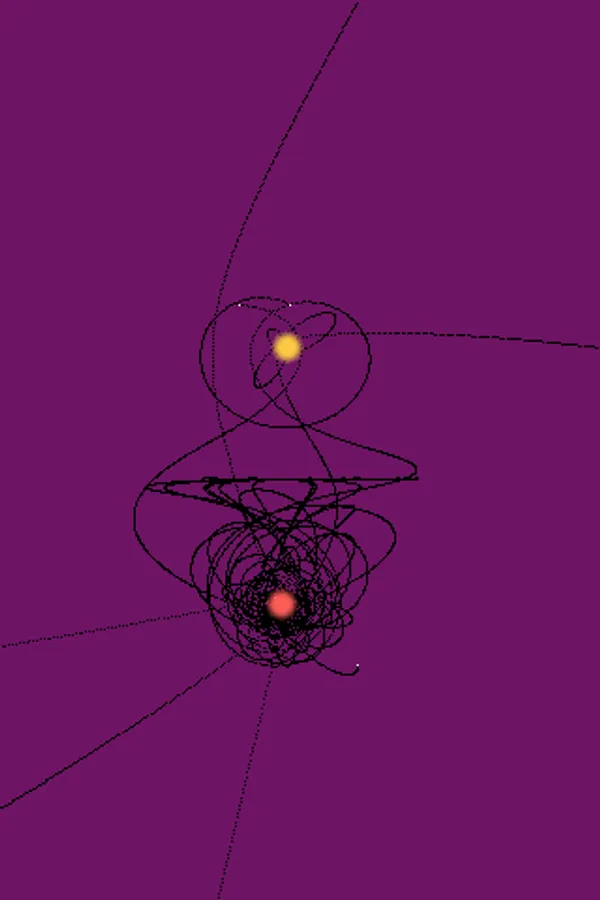
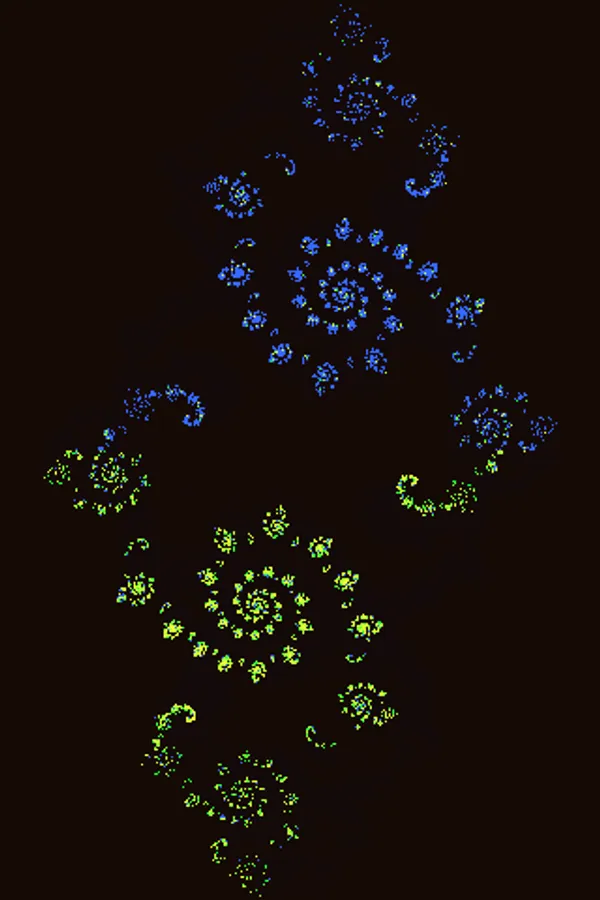
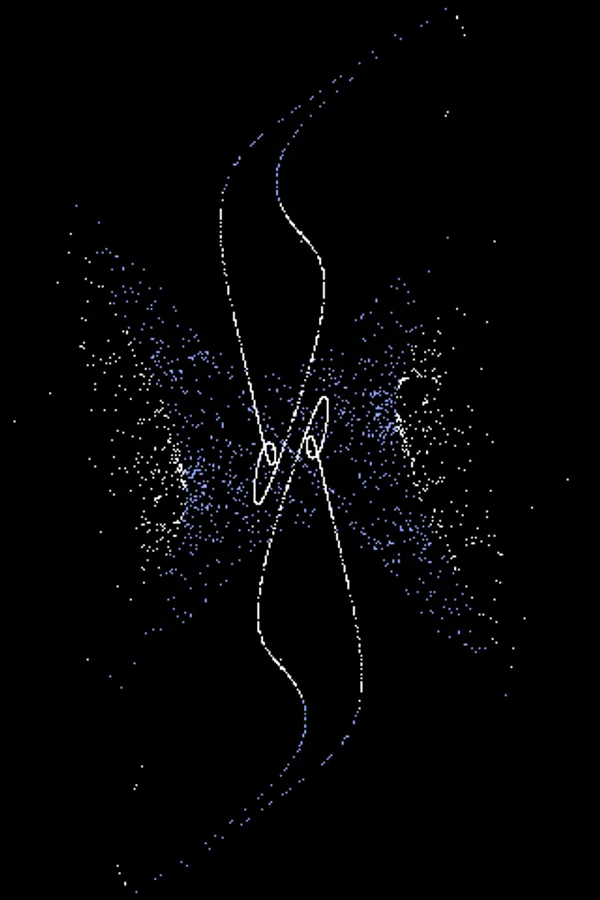
With a tilt of your device, you control the parameters of beautiful mathematical objects called strange attractors, the reaction rates of a chemical oscillator, the position of two stars in a 3-body chaos simulation, and the shape of the Julian fractal.
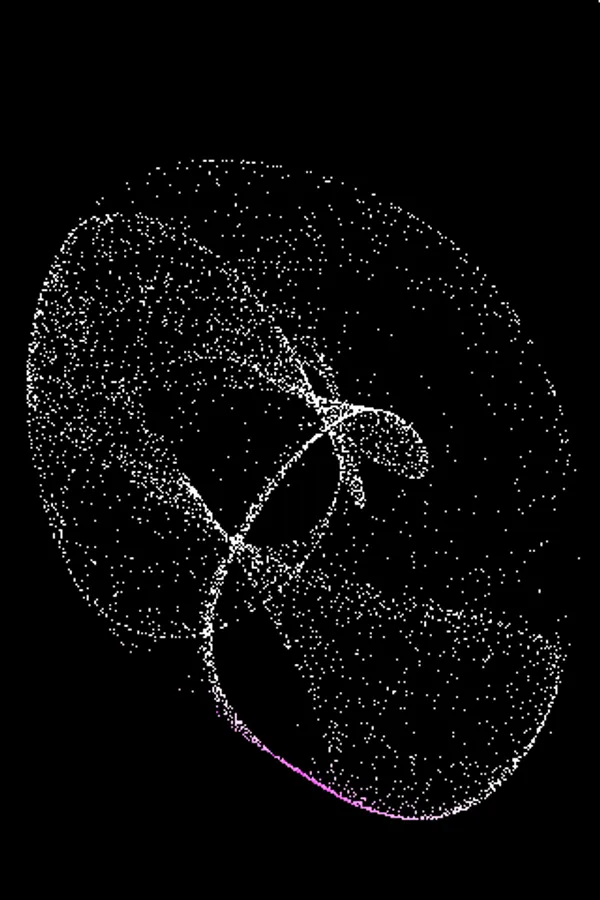
Now you can be an experimentalist and an artist. Using real-time integration of over 6,000 points for the attractors whose parameters are tied to your motion, over 7,000 data points for a fractal which morphs at your command, ten "asteroids" demonstrating chaotic sensitivity to initial conditions in a jittering twin-star system where the stars move with your tilt (can you keep them from escaping?), and a real-time BZ-reaction simulation which you control by both tilt and touch, this is chaos as you've never seen it before.
Chaos Lab comes loaded with four of the most stunning attractors in chaos theory. The Rössler and Lorenz attractors are well known, but the Thomas and Newton-Leipnik attractors are relatively new and quite amazing!
This work has been supported in part by grant PHY-0754081 from the U.S. National Science Foundation, the Nonlinear Dynamics Research Group at Drexel University (directed by Dr. Robert Gilmore), and the Department of Physics at Drexel University.
Please note, some of these experiments will run slower on the older models of iPhones and iPod touch devices.
Find the beauty in the chaos!
With a tilt of your device, you control the parameters of beautiful mathematical objects called strange attractors, the reaction rates of a chemical oscillator, the position of two stars in a 3-body chaos simulation, and the shape of the Julian fractal.
Now you can be an experimentalist and an artist. Using real-time integration of over 6,000 points for the attractors whose parameters are tied to your motion, over 7,000 data points for a fractal which morphs at your command, ten "asteroids" demonstrating chaotic sensitivity to initial conditions in a jittering twin-star system where the stars move with your tilt (can you keep them from escaping?), and a real-time BZ-reaction simulation which you control by both tilt and touch, this is chaos as you've never seen it before.
Chaos Lab comes loaded with four of the most stunning attractors in chaos theory. The Rössler and Lorenz attractors are well known, but the Thomas and Newton-Leipnik attractors are relatively new and quite amazing!
This work has been supported in part by grant PHY-0754081 from the U.S. National Science Foundation, the Nonlinear Dynamics Research Group at Drexel University (directed by Dr. Robert Gilmore), and the Department of Physics at Drexel University.
Please note, some of these experiments will run slower on the older models of iPhones and iPod touch devices.
Find the beauty in the chaos!