AppRecs review analysis
AppRecs rating 4.5. Trustworthiness 65 out of 100. Review manipulation risk 23 out of 100. Based on a review sample analyzed.
★★★★☆
4.5
AppRecs Rating
Ratings breakdown
5 star
100%
4 star
0%
3 star
0%
2 star
0%
1 star
0%
What to know
✓
Low review manipulation risk
23% review manipulation risk
✓
High user satisfaction
100% of sampled ratings are 5 stars
About Multitape Turing Machine
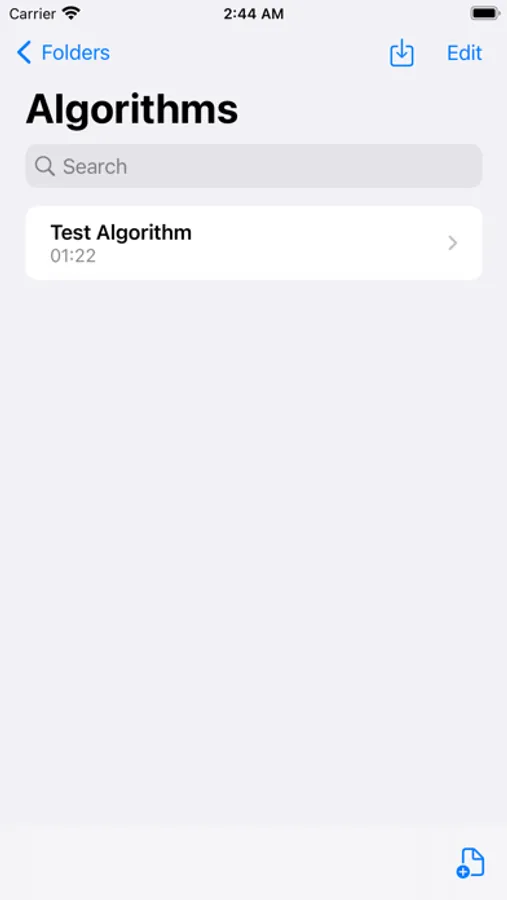
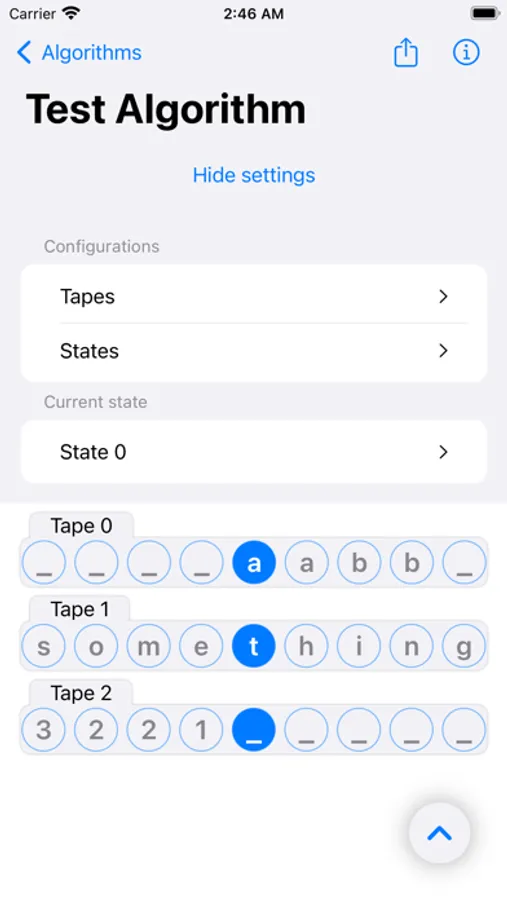
Multitape Turing Machine Simulator.
A Turing machine is a mathematical model of computation describing an abstract machine, that manipulates symbols on a strip of tape according to a table of rules. Despite the model's simplicity, it is capable of implementing any computer algorithm.
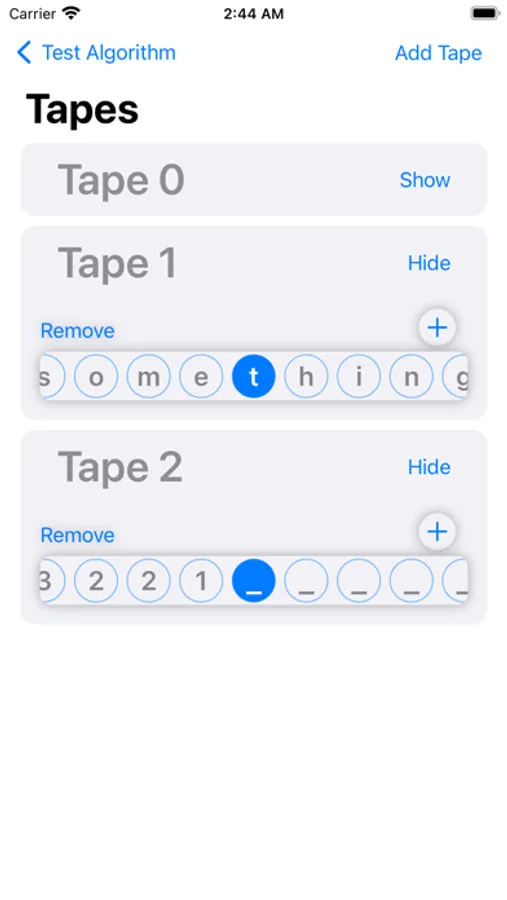
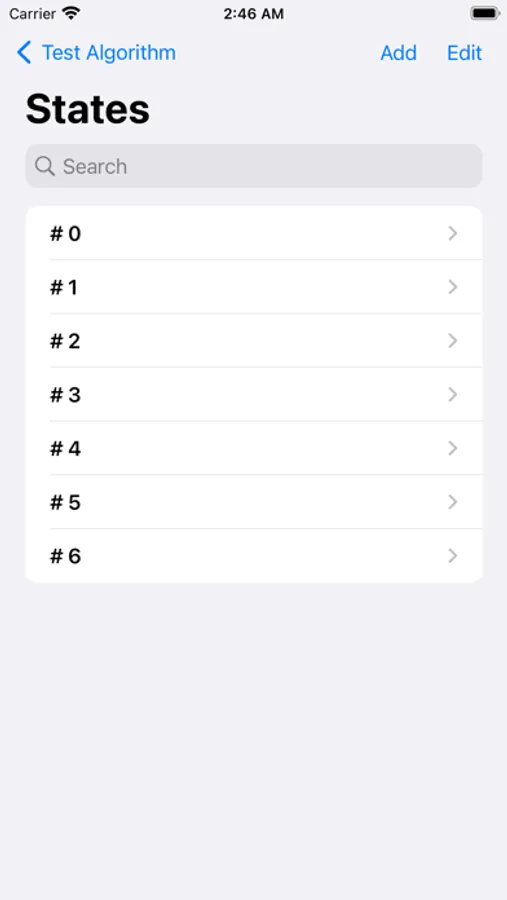
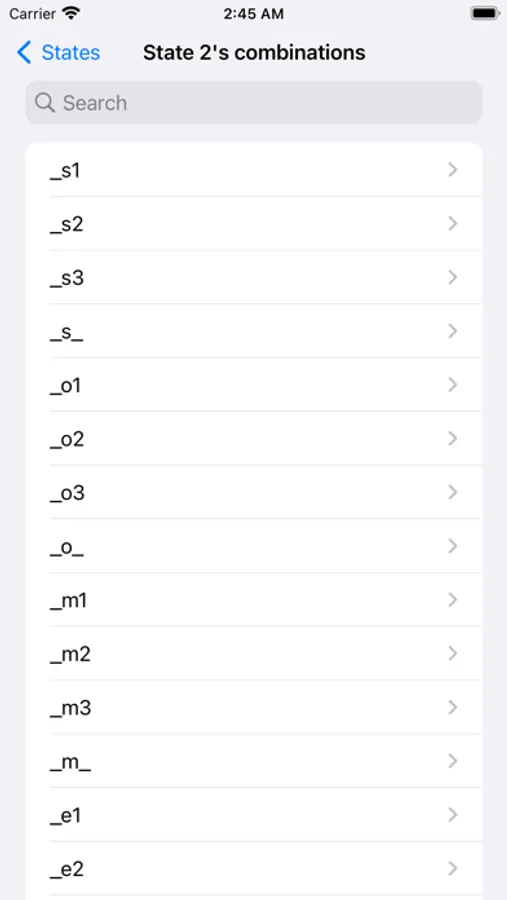
The machine operates on a memory tape divided into cells, each of which can hold a single symbol drawn from symbols from the alphabet of the machine. It has a "head" that, at any point in the machine's operation, is positioned over one of these cells, and a "state" selected from a set of states. At each step of its operation, the head reads the symbol in its cell. Then, based on the symbol and the machine's own present state, the machine writes a symbol into the same cell, and moves the head one step to the left or the right, or halts the computation. The choice of which replacement symbol to write and which direction to move is based on a table that specifies what to do for each combination of the current state and the symbol that is read.
Suggestions: snowlukin@gmail.com
A Turing machine is a mathematical model of computation describing an abstract machine, that manipulates symbols on a strip of tape according to a table of rules. Despite the model's simplicity, it is capable of implementing any computer algorithm.
The machine operates on a memory tape divided into cells, each of which can hold a single symbol drawn from symbols from the alphabet of the machine. It has a "head" that, at any point in the machine's operation, is positioned over one of these cells, and a "state" selected from a set of states. At each step of its operation, the head reads the symbol in its cell. Then, based on the symbol and the machine's own present state, the machine writes a symbol into the same cell, and moves the head one step to the left or the right, or halts the computation. The choice of which replacement symbol to write and which direction to move is based on a table that specifies what to do for each combination of the current state and the symbol that is read.
Suggestions: snowlukin@gmail.com

![Learn Haskell Offline [Pro] icon](https://apprecs.org/ios/img/icons/webp/150/1634772955/zYgFDQ1R7jfaA9PgtZheA0OaWm6MMgMGauNnWAr2wzg-icon)