Suicide Lifeguard
University of Missouri - St. Louis
2.7 ★
store rating
Free
AppRecs review analysis
AppRecs rating 2.7. Trustworthiness 77 out of 100. Review manipulation risk 27 out of 100. Based on a review sample analyzed.
★★☆☆☆
2.7
AppRecs Rating
Ratings breakdown
5 star
33%
4 star
0%
3 star
11%
2 star
11%
1 star
44%
What to know
✓
Low review manipulation risk
27% review manipulation risk
✓
Credible reviews
77% trustworthiness score from analyzed reviews
⚠
Mixed user feedback
Average 2.7★ rating suggests room for improvement
About Suicide Lifeguard
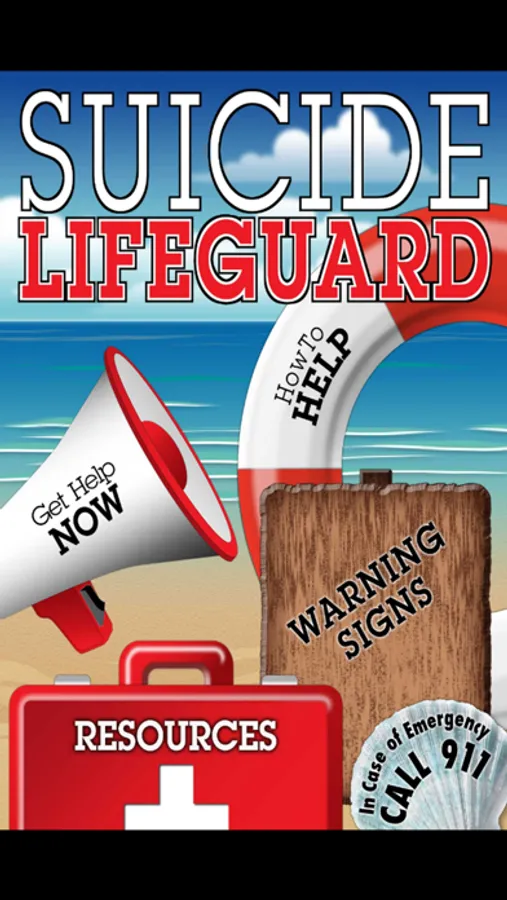
Suicide Lifeguard is intended for anyone concerned that someone they know may be thinking of suicide. It provides information on:
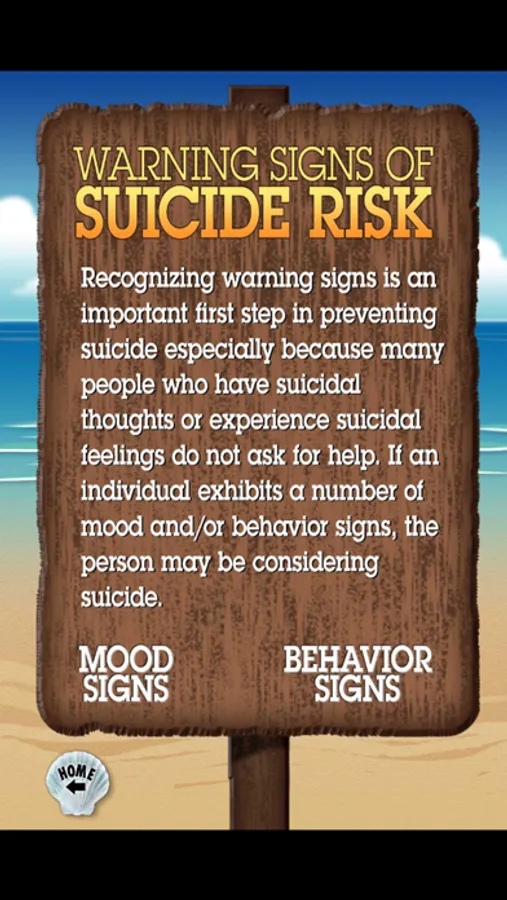
• How to recognize warning signs of suicide
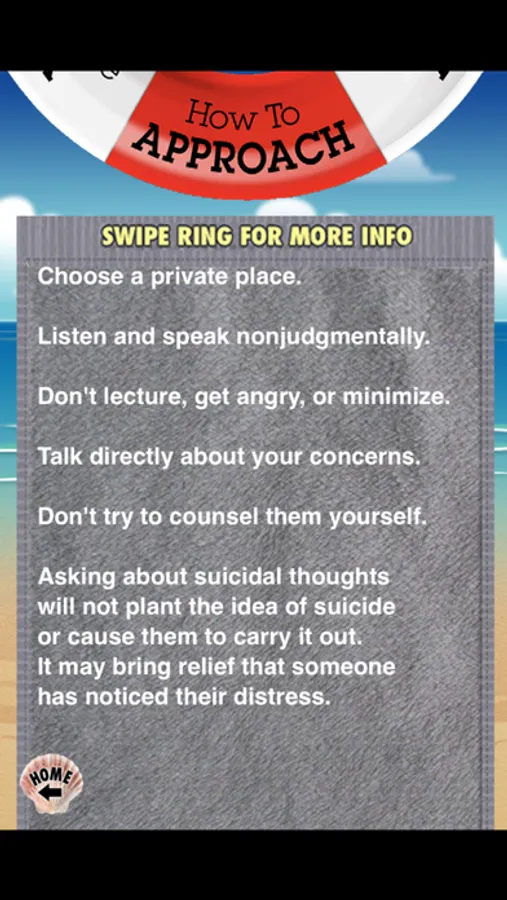
• How to ask about suicidal thoughts and/or intentions
• How to respond and
• Where to refer
Features include:
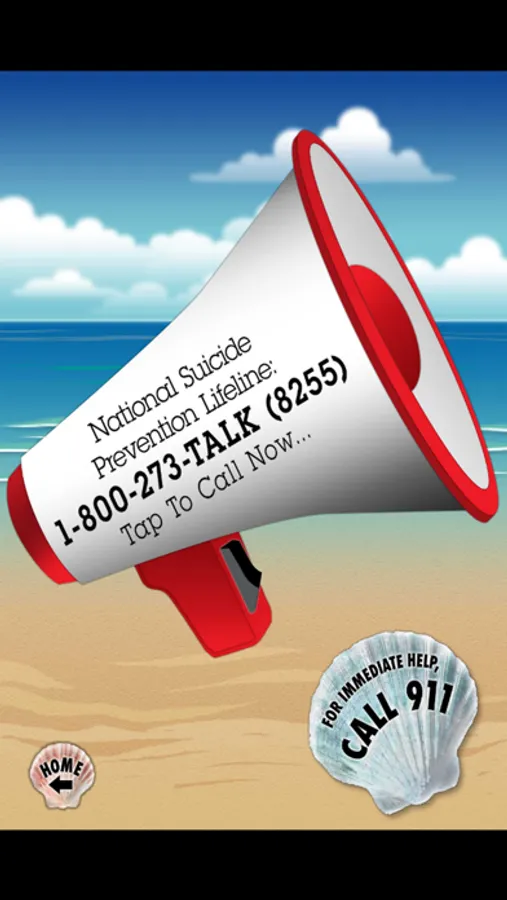
• Immediate connection to the National Suicide Prevention Lifeline
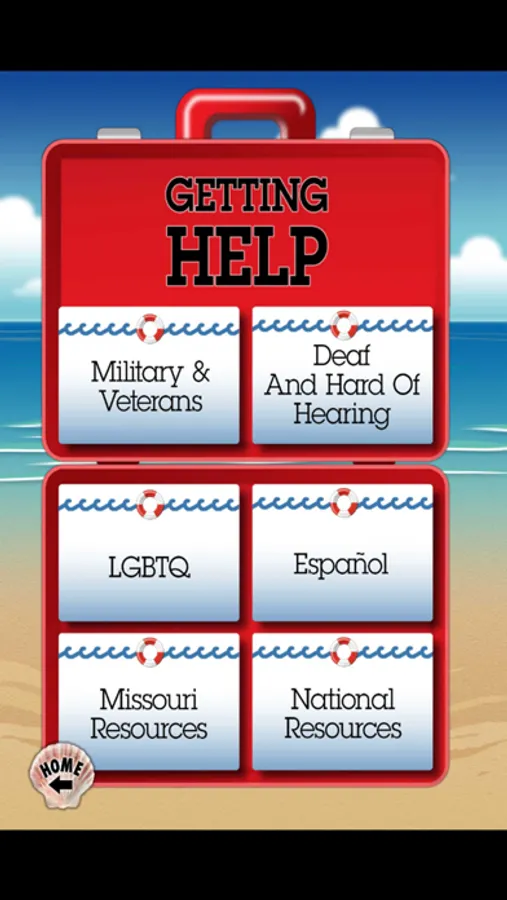
• Specific resources for:
o Military/Veterans
o Those who identify as LGBTQ
o Spanish speaking individuals
o Persons who are deaf or hard of hearing
• Direct access to national and Missouri resource websites
This suicide prevention information was produced by the Missouri Suicide Prevention Project, a joint effort between the Missouri Institute of Mental Health at the University of Missouri-St. Louis and the Missouri Department of Mental Health. It was made possible by grant number SM057376 from SAMSHA. The views and policies and opinions expressed are those of the authors and do not necessarily reflect those of SAMSHA.
• How to recognize warning signs of suicide
• How to ask about suicidal thoughts and/or intentions
• How to respond and
• Where to refer
Features include:
• Immediate connection to the National Suicide Prevention Lifeline
• Specific resources for:
o Military/Veterans
o Those who identify as LGBTQ
o Spanish speaking individuals
o Persons who are deaf or hard of hearing
• Direct access to national and Missouri resource websites
This suicide prevention information was produced by the Missouri Suicide Prevention Project, a joint effort between the Missouri Institute of Mental Health at the University of Missouri-St. Louis and the Missouri Department of Mental Health. It was made possible by grant number SM057376 from SAMSHA. The views and policies and opinions expressed are those of the authors and do not necessarily reflect those of SAMSHA.