PullCalc
GREENLEE TOOLS, INC
4.0 ★
store rating
Free
AppRecs review analysis
AppRecs rating 3.5. Trustworthiness 61 out of 100. Review manipulation risk 30 out of 100. Based on a review sample analyzed.
★★★☆☆
3.5
AppRecs Rating
Ratings breakdown
5 star
67%
4 star
17%
3 star
17%
2 star
0%
1 star
0%
What to know
✓
Low review manipulation risk
30% review manipulation risk
✓
High user satisfaction
83% of sampled ratings are 4+ stars (4.0★ average)
About PullCalc
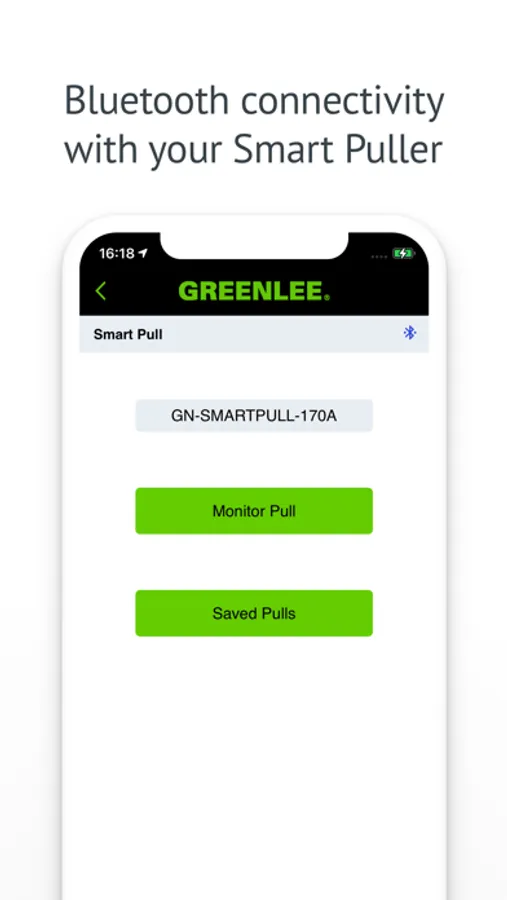
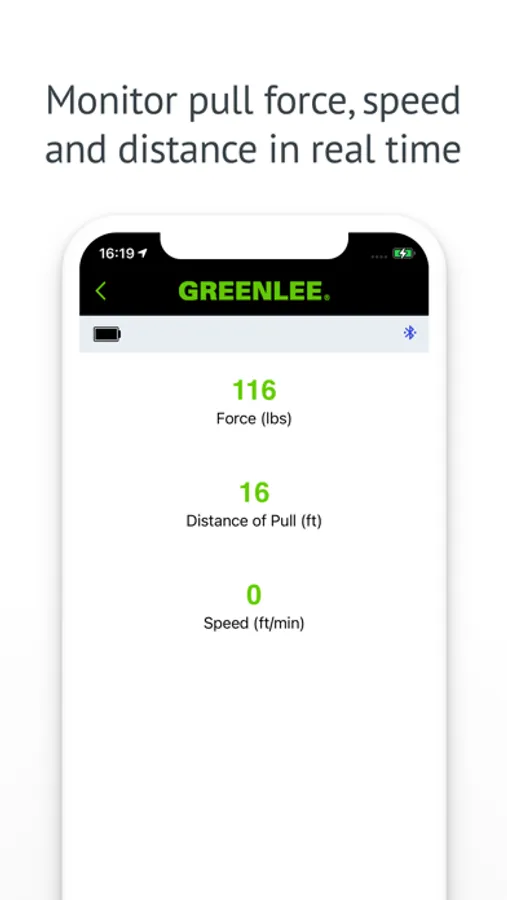
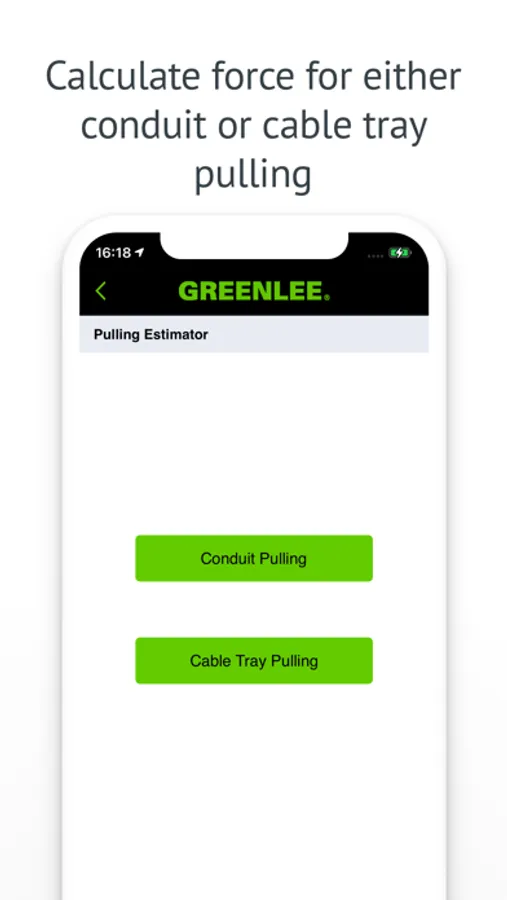
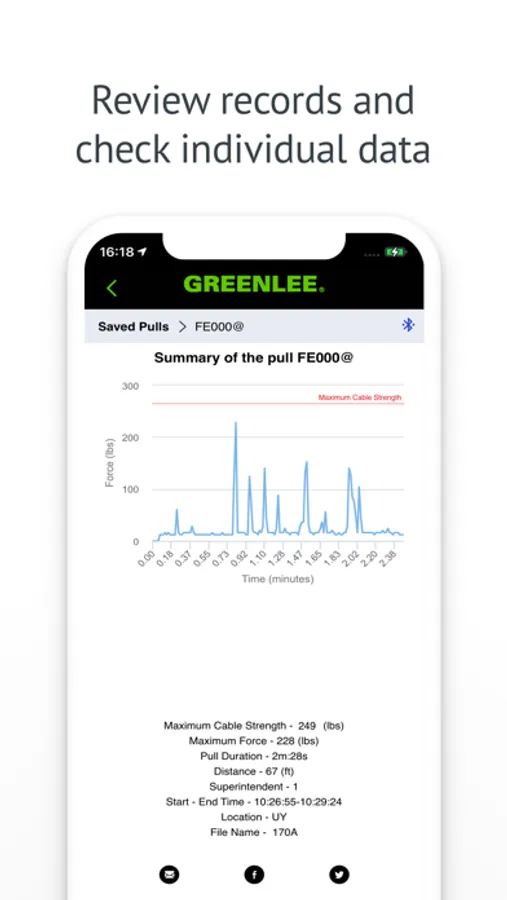
Greenlee continues to drive efficiency with PullCalc, an app that helps electricians and contractors approximate the pull force needed to install an electrical cable inside of conduit.
Data is entered by "legs" and each leg is considered to be a straight run of conduit followed by a bend, except the last leg, which usually has no bend. The calculation for each leg requires the following information to be entered:
- Wire size
- Number of wires
- Conduit I.D.
- Duct Material
- Material of the Cable Insulation
- Coefficent of Friction*
- Length of Leg
- Bend angle
- Vertical Rise
*Due to unknown factors involved, it prohibits giving exact results, most notably the coefficient of friction. Lubrication, surface texture, and lay of the cable are never uniform along the length of a conduit run. Comparing the known forces of pulls against the estimated force should give you a guide as for a good coefficient of friction to use for similar future pulls, and a table with some suggested starting points for the coefficient of friction of well-lubricated cable is a drop down option in the app. If lubricant is not used, triple the values in the table.
Data is entered by "legs" and each leg is considered to be a straight run of conduit followed by a bend, except the last leg, which usually has no bend. The calculation for each leg requires the following information to be entered:
- Wire size
- Number of wires
- Conduit I.D.
- Duct Material
- Material of the Cable Insulation
- Coefficent of Friction*
- Length of Leg
- Bend angle
- Vertical Rise
*Due to unknown factors involved, it prohibits giving exact results, most notably the coefficient of friction. Lubrication, surface texture, and lay of the cable are never uniform along the length of a conduit run. Comparing the known forces of pulls against the estimated force should give you a guide as for a good coefficient of friction to use for similar future pulls, and a table with some suggested starting points for the coefficient of friction of well-lubricated cable is a drop down option in the app. If lubricant is not used, triple the values in the table.